P/N 2455038-2: General Aviation Cooling Component
P/N 2455038-2: General Aviation Cooling Component
Blog Article
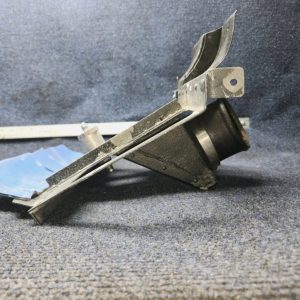
The Cessna 172RG Rear RH Baffle Assembly
A Cessna 172RG Rear Right-Hand Baffle may also be described as a Cessna 172RG Engine Baffle or Cessna 172RG Cooling Baffle when the position and part number remain clear.
The Cessna Cutlass Engine Baffle and Aircraft Engine Baffle Assembly keywords help qualified buyers locate relevant replacement parts.
Clear descriptions of Cessna 172RG Engine Compartment Parts help maintenance professionals estimate the full scope of the repair.
A Cessna Aircraft Engine Baffle can form part of an Engine Cooling Baffle Assembly, while a Cessna Cutlass Cooling System Part must correspond with the installed aircraft and engine configuration.
Why Exact Baffle Part Numbers Matter
Complete part-number verification reduces incorrect purchasing and unnecessary installation work.
Informal cross-references should not replace current parts information or approved technical data.
Understanding Cessna Engine Cooling Airflow
The rear right-hand baffle helps guide cooling air through intended paths around the engine installation rather than allowing it to escape through uncontrolled gaps.
Unexpected temperature indications may result from multiple causes rather than the rear baffle alone.
Avoiding Incorrect Baffle Substitution
A rear right-hand baffle should not be advertised as suitable for every Cessna 172 model merely because the aircraft share a related airframe family.
A component that fits one aircraft approximately may still interfere with another installation.
Engine Compartment Sheet-Metal Features
A visually similar sheet-metal component should not be substituted using unverified material or dimensions.
Professional handling protects the value of the Cessna Aircraft Engine Baffle.
Rear RH Baffle Damage Inspection
Inspection should begin with the baffle clean enough to reveal cracks, corrosion, dents, distortion, elongated holes, fretting, damaged flanges, broken brackets, and previous repairs.
Qualified evaluation helps determine whether repair, replacement, or rejection is appropriate.
Maintaining an Effective Cooling Boundary
Torn, hardened, curled, shortened, oil-soaked, missing, or incorrectly oriented seals can reduce the effectiveness of the cooling system.
Replacement seal material should correspond with the intended aircraft installation and suitable technical requirements.
Corrosion Inspection and Prevention
The depth and area of corrosion should be evaluated using suitable maintenance procedures.
Responsible corrosion prevention supports long-term component value.
Inspecting Rear Baffle Attachment Points
Cracks often begin near holes, corners, bends, bracket ends, and areas affected by vibration or forced alignment.
Forced alignment can preload thin sheet metal and contribute to recurring cracks.
Cessna Cutlass Cooling System Components
Every supporting component should be identified by part number, position, condition, and required quantity.
Donor-aircraft history may provide context but does not establish present serviceability.
Diagnosing Cessna 172RG Cooling Concerns
Missing seals, open gaps, loose cowling, or incorrectly installed neighboring components can affect airflow distribution.
Cleaning or replacing one baffle should not be presented as a guaranteed cooling improvement.
Repairing a Damaged Engine Baffle
A localized defect may be repairable, while widespread cracking, severe corrosion, Aircraft Engine Baffle Assembly or distorted geometry may support replacement.
Unauthorized welding, oversized fasteners, excessive material removal, or uncontrolled bending can reduce suitability.
Cessna Cutlass Engine Parts for Sale
A clean appearance can improve presentation but does not replace detailed inspection.
The seller should disclose cracks, corrosion, distortion, missing sections, damaged holes, repairs, heat exposure, vibration damage, and storage conditions.
Inspecting the Baffle Before Purchase
Any uncertainty regarding orientation, completeness, engine clearance, or aircraft compatibility should be resolved before shipment.
- Resolve identity, compatibility, orientation, and package-completeness questions before payment.
- Arrange qualified evaluation whenever geometry, material loss, repair quality, or installation suitability remains uncertain.
- Report freight damage, missing pieces, dimensional differences, undisclosed repairs, corrosion, or identification discrepancies promptly.
Safe Handling of P/N 2455038-2
Loose seals and hardware should be bagged, labeled, and secured separately.
Identification tags and records should remain attached or clearly associated with the component.
Professional Engine Baffle Installation
The engine compartment should be inspected before the replacement component is positioned permanently.
Fastener holes should be inspected carefully, while hardware type, grip, spacing, and installation method should correspond with suitable technical data.
Ground-operation observations should be completed through suitable procedures without promising a specific temperature improvement.
Maintaining the Cessna 172RG Cooling System
The assembly should receive attention after engine work, cowling damage, abnormal vibration, overheating indications, fluid leaks, or suspected impact.
Protective finishes should be maintained so exposed material does not remain vulnerable to moisture and contaminants.
Buying a Rear Right-Hand Engine Baffle
The Cessna 172RG Rear RH Baffle Assembly
Buyers should request current photographs, accurate measurements, transparent condition information, protective shipping, secure transaction terms, and qualified maintenance review.
Whether maintenance teams are sourcing an Engine Cooling Baffle Assembly, Cessna Cutlass Cooling System Part, or Cessna 172RG Replacement Baffle, qualified installation should precede operational use.
With complete evaluation and continued care, the Cessna 172RG Rear RH Baffle Assembly
Report this page